Busy is not the target. Many moving companies quietly damage themselves through pricing. They book jobs that look good on the calendar but do not leave enough margin once labor, fuel, truck wear, supplies, and admin time are counted. A full schedule is meaningless if the rates are wrong.
The goal is profitable work, not simply work.
Know your costs before you quote. If you do not know your labor cost per mover-hour, your truck cost, your average fuel burden, your marketing cost per booked job, and your baseline overhead, you are not pricing. You are guessing. Guessing feels charitable on the phone and brutal in the bank account.
That is why pricing begins with the business, not with the customer’s budget. First know what it costs to run the company properly. Then build quotes that can survive reality.
Hourly, flat-rate, and minimums. Hourly pricing is common for local work because local jobs vary wildly based on readiness, access, and customer honesty. Flat-rate pricing can work when the scope is well defined, but it places more risk on the company. Many operators use minimums because even a small move still consumes dispatch, travel, labor, and calendar space.
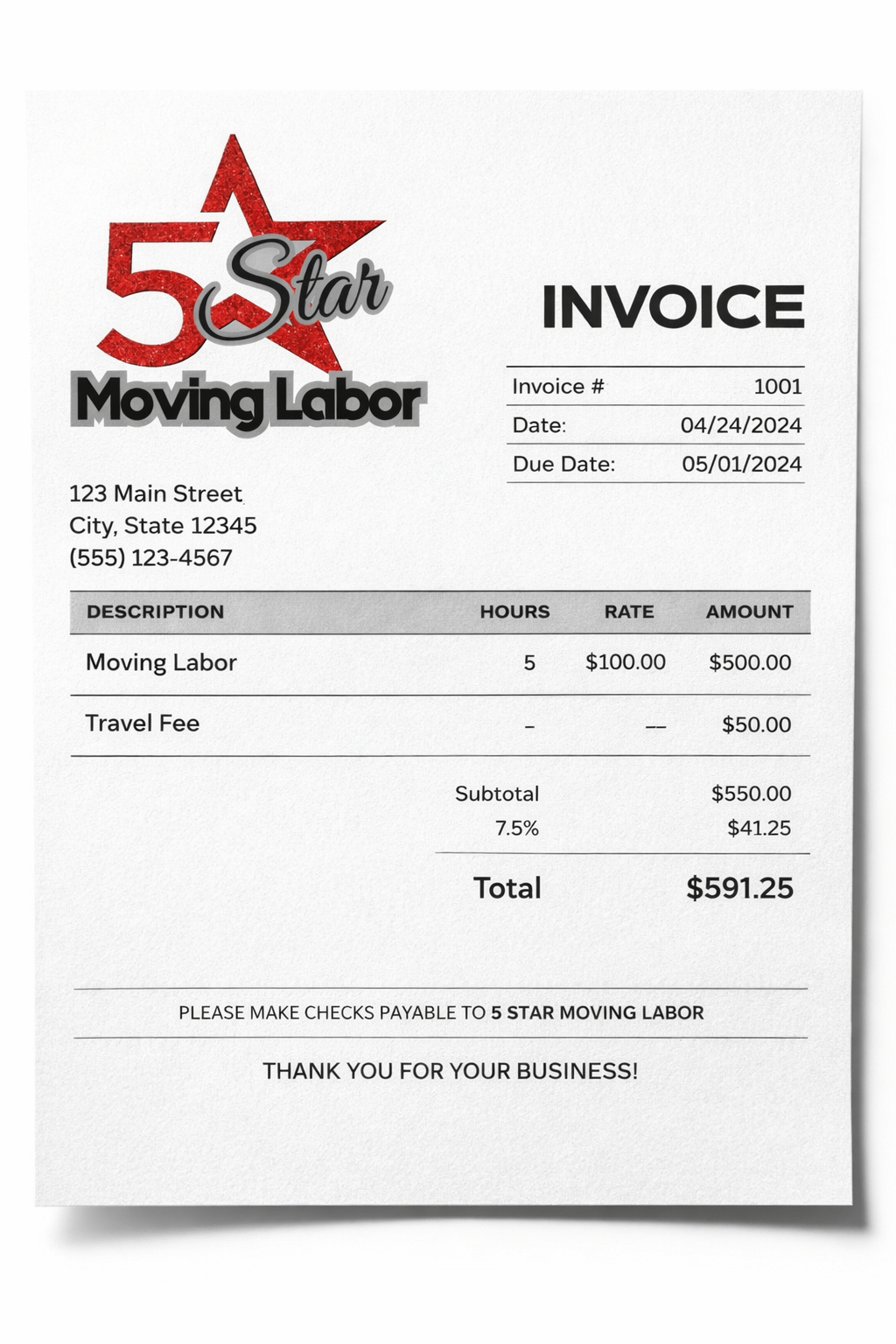
Travel time, stairs, long carries, specialty items, multiple stops, packing, and materials should not be swallowed quietly. If they add work, they should be priced.
Do not chase every bargain hunter. There will always be someone cheaper. Sometimes they are efficient. Often they are cutting corners or have not yet learned what underpricing costs. If you build the company around chasing the lowest number in town, you train customers to view you as a commodity instead of a professional service.
A cleaner path is to price fairly, explain clearly, and build a brand that attracts customers who value reliability as much as price.
Protect the close. Deposits, cancellation policies, written assumptions, and clear payment terms all matter. A quote should define what was priced and what may change the price. That clarity protects the customer from confusion and the company from driveway arguments at the end of a long day.
Case Study: The Cheap Quote That Cost More Than It Earned
Marcus booked a move fast because he needed the work. He quoted low to beat another company and failed to ask enough questions about stairs, packing status, parking distance, and large items. On move day, the “easy” apartment turned out to be a third-floor walk-up with a long carry, half-packed rooms, and extra appliances the customer had forgotten to mention.
The move ran nearly all day, threw off the rest of his schedule, and earned far less than he expected once labor, fuel, and truck costs were accounted for. Worse, the customer still felt surprised by the final total because Marcus had never clearly explained what would change the price.
Takeaway: A cheap quote can win the job and still lose the money. Pricing without enough information is not customer service. It is gambling.
Case Study: The Cancellation That Would Have Wrecked the Week
Andre tried to keep booking “easy” by avoiding deposits. Then a large Saturday move cancelled less than twenty-four hours before the job, after he had already turned away other work and lined up labor around it. That one weak booking left a hole in the week that was too late to refill.
After that, he made one simple change: a move was not booked until the estimate was accepted, the deposit was received, and a written confirmation was sent. The policy did not scare away good customers nearly as much as he feared, and it dramatically reduced late, casual cancellations.
Takeaway: Your calendar is inventory. Deposits are not about being harsh. They are about protecting time that stops being available to anybody else once you reserve it.
Checklist: Pricing a Job Without Undercharging
☐ Pickup and delivery addresses confirmed.
☐ Access issues, stairs, and elevator details confirmed.
☐ Inventory and packing status reviewed.
☐ Heavy items, disassembly, and extra stops identified.
☐ Labor, truck, fuel, and materials costs accounted for.
☐ Terms, assumptions, and payment expectations written clearly.
Price fairly, explain clearly, and build a brand that attracts customers who value reliability as much as price.
Ready to build a real moving company the right way in 2026?
This is just one piece of the system. Grab the complete 2026 edition of So You Want to Start a Moving Company — the full guide that already includes every worksheet, field checklist, sample form, and template you need.
Click here to get the book now: https://a.co/d/0gg0tmx3
(Next post coming soon: “Your First 30, 60, and 90 Days in the Moving Business”)
 So you want to start a moving company…
Leave a comment